
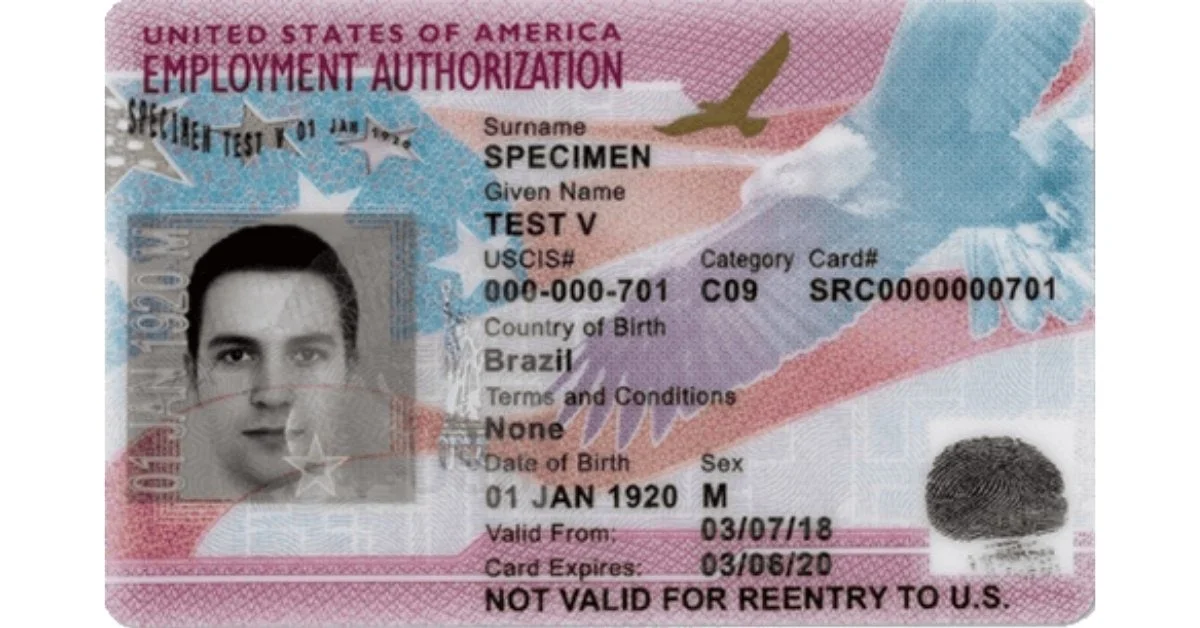
If finalized, the rule would modify key aspects of the employment authorization process, including eligibility criteria and procedural requirements for individuals with pending asylum applications. These changes could have significant implications for applicants awaiting work authorization and for employers navigating compliance obligations.
Here’s a summary of the major proposed changes in the new Department of Homeland Security rule on employment authorization for asylum applicants (as outlined in the Notice of Proposed Rulemaking supporting Executive Order 14159, Protecting the American People Against Invasion):

Key Proposed Changes to Asylum-Based EAD Rules
1. Longer Waiting Period Before Filing for Work Authorization
- Asylum applicants would generally need to wait 365 days from the date USCIS receives a complete asylum application before they’re eligible to file for an EAD, up from 150/180 days under current practice.
2. Possible Pause on Acceptance of New EAD Applications
- DHS would pause acceptance of initial asylum-based EAD applications whenever the average processing time for affirmative asylum cases exceeds 180 days over a 90-day period. Acceptance would only resume once that average falls to 180 days or less.
3. Extended Processing Timelines
- USCIS would be given more time to adjudicate initial EAD applications (e.g., extending the adjudication timeframe beyond the current 30-day target).
4. Mandatory Biometrics for All Applicants
- All initial and renewal EAD applicants must appear for biometrics; failure to do so would result in denial.
5. Expanded Ineligibility Criteria
The rule proposes additional grounds that could make an asylum applicant ineligible for an EAD, including if they:
- Entered unlawfully and did not express fear promptly or meet specific exceptions.
- Filed asylum late (after the one-year deadline) without qualifying exceptions.
- Have certain criminal or “derogatory” information that may bar asylum eligibility.
6. Changes to Renewal/Termination Rules
- EADs would terminate promptly upon denial of the underlying asylum claim (unless a timely appeal or motion is filed).
7. Broader Discretion in Adjudications
- Employment authorization would become more discretionary, giving USCIS greater authority to deny EADs even absent statutory bars.
As with all proposed regulations, this is not yet final. Stakeholders should review the proposed rule carefully and consider submitting comments during the designated comment period.
We’ll continue monitoring developments and provide updates as more information becomes available.
Follow us on our social media pages:
This is not legal advice and click the link to set up a copulation to evaluate how these proposed changes may affect your case strategy, filing timelines, and eligibility.
